

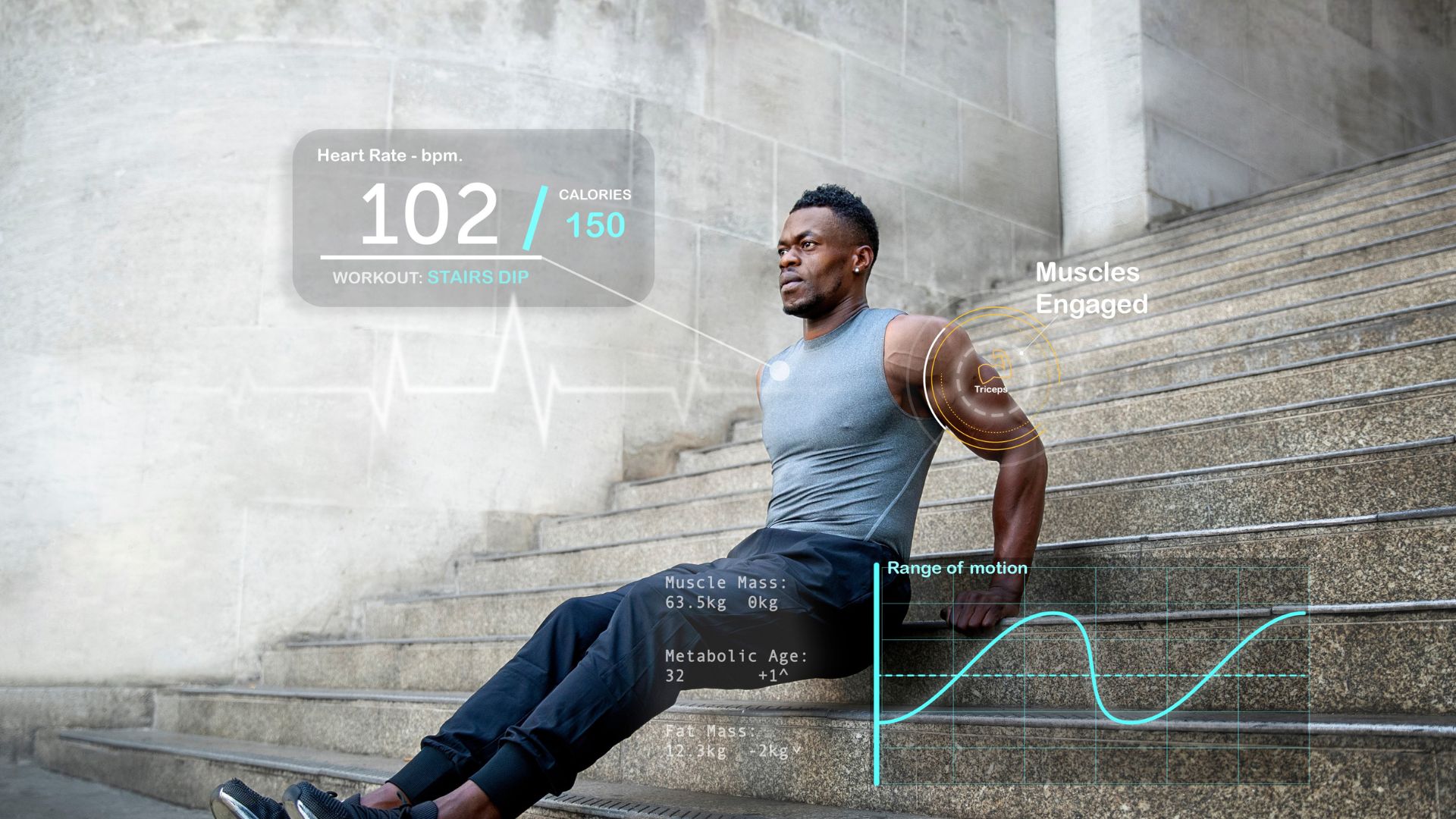
Closing the Tech Gap in Fitness: Lessons from Retail, Healthcare, and Beyond
The fitness industry, known for its focus on health and wellness, has paradoxically lagged behind when it comes to adopting transformative technology. While sectors like retail and healthcare have embraced digital tools to revolutionize customer experiences and operational efficiency, fitness businesses remain hesitant to make the leap.
This article explores the reasons behind this gap, lessons fitness companies can learn from other industries, and the risks of falling further behind in an increasingly tech-driven world.
Understanding the Tech Gap in Fitness
The Comfort of Tradition
Fitness businesses have traditionally thrived on in-person interactions, from personal training sessions to group classes. This reliance on physical experiences has made the sector slower to see the value of digital solutions.
While this traditional approach has its merits, the industry’s reluctance to adapt has left it unprepared for the digital-first expectations of modern customers.
Fragmented Ecosystems
Unlike retail and healthcare, which often operate within consolidated ecosystems, fitness businesses tend to rely on a mix of standalone systems for membership management, scheduling, and payments. This fragmentation creates challenges in adopting integrated technology solutions.
Misconceptions About Costs
Many fitness leaders perceive technology as a luxury rather than a necessity. The initial investment in tools like AI or mobile apps is often seen as prohibitive, despite evidence of long-term ROI through increased revenue and operational efficiencies. However, staying analog can significantly impact revenue growth, as highlighted in The Cost of Staying Analog.
What Other Sectors Teach Us About Embracing Technology
Lesson 1: Retail – Putting the Customer First
Retail businesses have set the gold standard for personalization. From Amazon’s AI-driven recommendations to in-store experiences that merge online and offline worlds, retail has mastered the art of meeting customers where they are.
Key Takeaway for Fitness: Technology can personalize member experiences, from tailored workout plans to targeted promotions based on past behaviors.
Lesson 2: Healthcare – Data-Driven Decisions
Healthcare’s embrace of electronic health records (EHRs) and AI diagnostics highlights the power of data in driving better outcomes. Hospitals and clinics use data not only to improve patient care but also to optimize resource allocation.
Key Takeaway for Fitness: Leveraging member data can drive smarter decision-making, from predicting peak gym hours to crafting retention strategies.
Lesson 3: Hospitality – Seamless Customer Journeys
The hospitality industry has excelled at creating seamless customer experiences through apps, automation, and personalization. Guests can book, check-in, and request services all from their smartphones.
Key Takeaway for Fitness: Streamlining member interactions through mobile apps and self-service kiosks can enhance convenience and satisfaction.
Barriers to Technology Adoption in Fitness
Resistance to Change
Cultural resistance within organizations remains a significant barrier. Many fitness businesses fear that technology will dilute the personal touch that sets them apart.
However, technology doesn’t replace human interactions—it enhances them. Trainers can use AI to analyze member progress, freeing up time for more meaningful engagement.
Short-Term Mindset
Focusing on immediate costs rather than long-term benefits often prevents fitness leaders from investing in digital tools. This short-term thinking overlooks the potential for increased revenue, improved retention, and competitive advantage.
Lack of Expertise
The absence of in-house technical knowledge can make adopting technology seem daunting. Unlike retail and healthcare, which often have robust IT departments, fitness businesses tend to outsource these needs, leading to slower adoption rates.
Why It’s Time for Fitness to Catch Up
Shifting Customer Expectations
Today’s customers expect convenience and personalization, both of which are difficult to achieve without technology. Younger generations, in particular, value mobile apps, wearables, and AI-driven insights that fit seamlessly into their fitness journeys.
Competitive Pressures
Digital-first fitness companies like Peloton, Apple Fitness+, and even hybrid gyms are setting new benchmarks. Analog businesses risk losing market share to these tech-savvy competitors if they don’t adapt.
Operational Efficiency
Technology simplifies processes, from membership management to equipment maintenance. Automated systems such as those offered by AltaDX’s OMAP® reduce costs, minimize errors, and free up staff for more strategic tasks.
The Way Forward: Lessons for Fitness Leaders
- Start Small
- Begin with accessible solutions like scheduling software or member apps to see immediate benefits.
- Leverage Data
Use analytics to understand member behaviors, identify trends, and make informed decisions. - Partner with Experts
Collaborate with digital transformation specialists to create a roadmap tailored to your business goals. - Focus on Outcomes
Prioritize tools that directly impact revenue and member satisfaction, ensuring a clear ROI.
Conclusion
The fitness industry has a unique opportunity to learn from the successes of other sectors. By embracing technology, fitness businesses can not only catch up but also leapfrog competitors to deliver exceptional member experiences, streamline operations, and future-proof their organizations.
At AltaDX, we specialize in helping fitness leaders navigate this transformation. Let’s turn today’s challenges into tomorrow’s opportunities. Schedule a free consultation today to get started.